
Let’s face it: monitoring deer can feel like a game of hide and seek, but the stakes are higher than just finding your friend behind a tree. With fawns arriving, understanding the size of your deer population is crucial for effective habitat and herd management. You want to know if you need to roll out the welcome mat for more deer or if it’s time to call in the predator control squad.
Now, traditional methods like sitting in a tree or counting deer at night sound ridiculous. Habitat degradation review can be a good approach, but it only provides an approximate number. And let’s not even get started on the potential for human error or the risk of disturbing the wildlife.
Trail cameras with or without instant transmission capabilities are like the superheroes of wildlife monitoring. A method exists for estimating deer populations using trail cameras. Still, it has precise criteria for camera placement, baiting, and photo evaluation to determine population density and sex ratio. Wireless cameras enable you to capture images and videos without the need for constant human presence, resulting in less disturbance to our furry friends. Imagine getting real-time updates on deer activity without having to hike through a bug-infested forest. Sounds like a win-win, right?

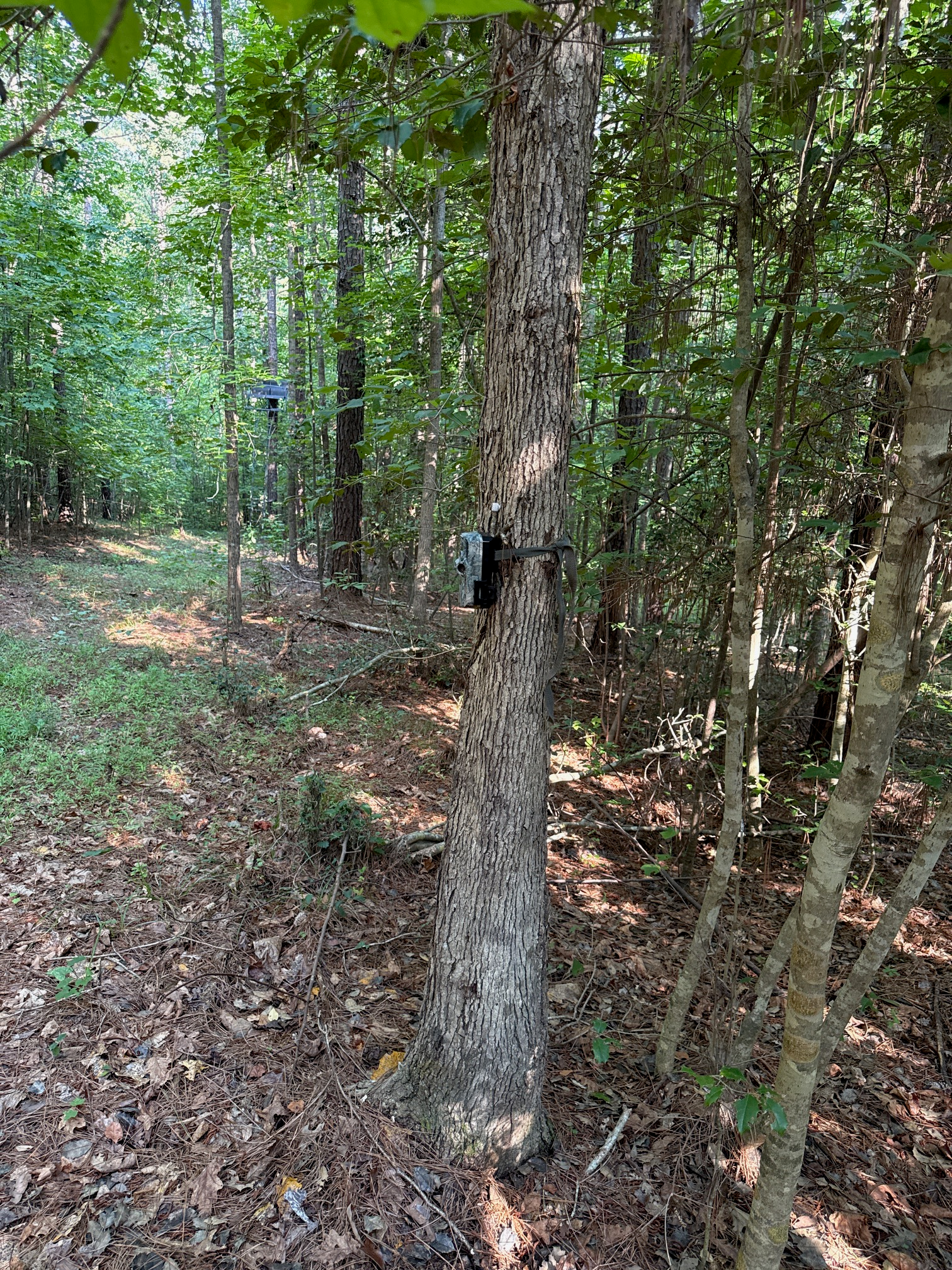
Trail cameras (the one pictured with a broken strap is not representing the ideal placement!) can send you pictures instantly, so you can analyze the data without waiting a week to see if you’ve captured anything worthwhile. Additionally, they can be strategically placed near food sources or travel routes, maximizing your chances of capturing those all-important snapshots.
But let’s not forget the ethical side of things. While it’s tempting to use technology to monitor wildlife, we must ensure that our methods respect the animals and their habitats. Balancing our need for data with the well-being of wildlife is key to effective management. Cameras with transmission can aid in herd management, but they should never be used to track deer in order to hunt them down. Everyone pulls their own ethical line in the sand, and in certain regions, it is also enforced accordingly.


In conclusion, whether you’re a seasoned wildlife manager or just someone who enjoys a good hike to prepare for an early-season hunt, understanding deer populations is essential. With the right tools—whether traditional methods or modern technology—you can gather valuable insights while keeping bugs at bay. So, grab that trail camera, find a good spot (preferably one without poison ivy), and let’s get to monitoring! Happy deer watching! 🦌📸