
Coastal fishing doesn’t always mean standing on a beach with a long surf rod. Some of the most productive—and enjoyable—fishing can be found around bridges, docks, channels, seawalls, and other inshore structure.
On a recent coastal trip, I had an opportunity to spend time fishing these areas and practice several techniques that are useful for anyone interested in getting started with bridge and inshore fishing. The experience included learning more about fishing structure and current, using Carolina and fish finder rigs, working with braided main line and leader material, tying dependable knots, and ultimately catching mangrove snapper that became part of a memorable fish dinner.
Finding Fish Around Structure
One of the biggest differences between surf fishing and bridge or inshore fishing is where we look for fish.
From the beach, we might search for sandbars, troughs, cuts, and current seams. Around bridges and inshore waters, hard structure becomes extremely important.
Bridge pilings, docks, rocks, channels, seawalls, and changes in depth can all provide places for fish to congregate. Current moving around that structure can carry shrimp, baitfish, and other food directly toward waiting fish.
Instead of simply asking, “How far can I cast?”, bridge and inshore fishing encourages us to ask another question:
“Where would a fish position itself to find its next meal?”
That can mean dropping a bait alongside a bridge piling, fishing the edge of a channel, or presenting bait along a current seam rather than simply casting into open water.
Braided Main Line and Leader Material
For this type of fishing, I used braided fishing line as my main line.
Braided line offers excellent strength with a relatively small diameter and very little stretch. That lack of stretch also provides excellent sensitivity, allowing an angler to feel subtle bites and changes in the bottom.
I paired the braided main line with leader material near the terminal tackle. A leader provides a different presentation near the bait and can offer additional abrasion resistance—particularly valuable when fishing around rocks, bridge pilings, and other structure.
Understanding how the rod, reel, braided main line, leader, sinker, swivel, hook, and bait all work together is an important step toward becoming a more independent and versatile angler.
The Carolina Rig
One of the rigs I used was the Carolina rig.
A basic Carolina rig uses a sliding sinker on the main line followed by a swivel, a length of leader, and a hook. The weight gets the bait down toward the bottom while allowing the leader and bait to move more naturally with the current.
The Carolina rig is simple, versatile, and a great setup for someone learning how to fish coastal waters.
It’s particularly useful when presenting natural bait along or near the bottom, where snapper and many other inshore species may be feeding.
The Fish Finder Rig
I also used a fish finder rig, another highly effective bottom-fishing setup.
Like the Carolina rig, a fish finder rig allows the sinker to move independently from the leader and bait. Depending on the setup, the weight can be attached to a sinker slide, allowing the fishing line to move through the rig when a fish picks up the bait.
This allows the bait to have a more natural presentation and can reduce the amount of resistance a fish initially feels when taking it.
Learning both rigs gives an angler options. Current, depth, bottom structure, target species, and the type of bait being used can all influence which setup works best.
Learning the Knots
A fishing rig is only as dependable as the knots holding everything together.
Two knots I used and practiced during this style of fishing were the Trilene Knot and Snell Knot.
The Trilene Knot provides a strong connection when attaching monofilament or fluorocarbon line to hooks, swivels, and other terminal tackle.
The Snell Knot is particularly useful when attaching a leader to certain hooks used with natural bait. A properly snelled hook creates a strong connection while keeping the leader aligned with the hook shank.
Learning to tie these connections yourself is an important part of fishing. Instead of depending entirely on pre-made rigs, you gain the ability to replace tackle, change presentations, and build or repair your own rigs while you’re on the water.
Fishing After Dark
Fishing at night added another dimension to the experience.
The shoreline becomes quieter, lights reflect across the water, and you begin relying even more on what you can feel through the rod and braided line.
There’s something special about sitting beside the water after dark with a rod in your hand and not knowing what the next bite might bring.
The sensitivity of braided line was especially useful because it helped transmit what was happening at the other end of the line, even when visibility was limited.
The Reward: Mangrove Snapper
One of the highlights of the trip was catching mangrove snapper.
Landing the snapper brought together many of the individual lessons involved in bridge and inshore fishing: locating productive structure, understanding current, choosing an appropriate rig, using braided line and leader material, tying dependable knots, and getting the bait into the area where fish were feeding.
The catch was exciting, but the experience didn’t end when the fishing rods were put away.
From the Water to the Dinner Table
Part of the satisfaction of fishing is understanding where our food comes from and responsibly enjoying a legal harvest.
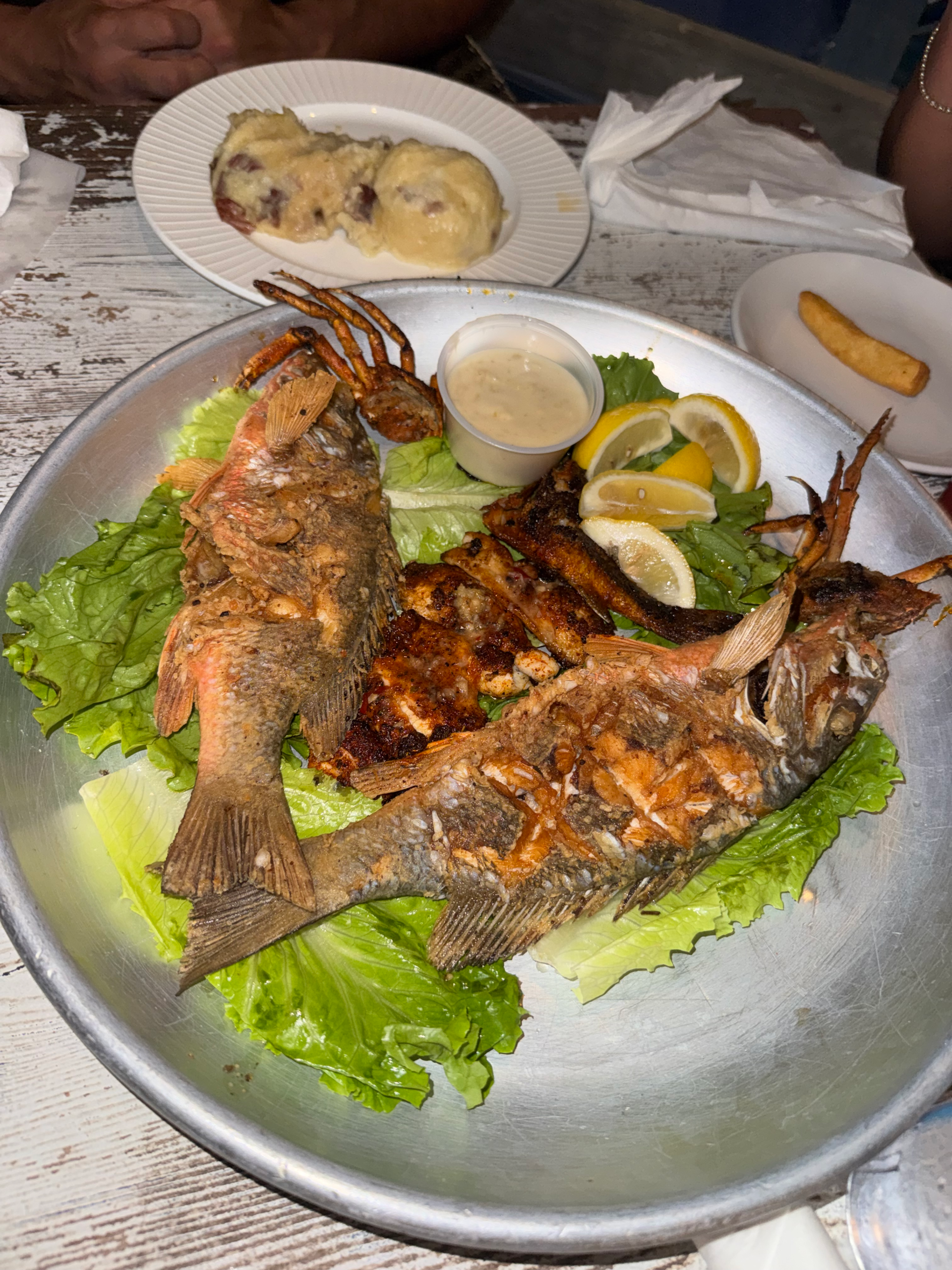
After the fishing was finished, the mangrove snapper became the centerpiece of a great catch-to-table meal.
We prepared the fish in two different styles: traditional fried fish and blackened fish.
Frying gave us the familiar crispy, golden fish-fry experience, while blackening offered a completely different way to enjoy the same fresh catch, using bold seasoning and high heat to create a flavorful crust on the fish.
Preparing the snapper both ways was also a reminder that learning to fish doesn’t have to end when you leave the water.
Knowing how to properly handle, clean, prepare, and cook your catch can be just as much a part of the outdoor experience as learning to tie a knot, build a rig, cast a rod, and land a fish.
The entire experience could be summed up pretty simply:
Tie the rig. Find the fish. Make the catch. Prepare the fish. Share the meal.
There is a different appreciation for dinner when you know the story behind what’s on the plate.
We had spent time learning the water, fishing around structure, working with our tackle, and finally landing mangrove snapper. Later, we were sitting around a table enjoying those fish prepared both fried and blackened.
That truly brought the experience full circle.

Fishing Ethics and Responsible Harvest
The catch-to-table experience also reinforces the importance of responsible fishing.
Before harvesting any fish, anglers should know the current fishing regulations for the waters they’re fishing, including species identification, size requirements, bag limits, seasons, and any reporting requirements that may apply.
Responsible fishing also means taking care of the resource and the places where we fish.
That includes properly disposing of fishing line and trash, respecting other anglers, handling fish carefully when they will be released, and keeping only fish that you intend to use.
When we do decide to harvest a legal fish, preparing and sharing that fish with others can provide an even greater appreciation for the resource.
More Than Catching Fish
That may be one of the most important lessons from bridge and inshore fishing.
Success isn’t simply measured by how many fish you bring home.
It’s learning to recognize structure and moving water. It’s understanding why you’re choosing one rig instead of another. It’s developing the confidence to tie your own knots and repair your own tackle. It’s learning how different fishing lines and leaders work together. It’s knowing how to handle a fish responsibly and when that fish needs to be released.
And sometimes, it’s sitting down afterward with family or friends and sharing a meal made from the fish you caught yourself.
Surf fishing, bridge fishing, and inshore fishing each offer something different, but they share the same foundation:
Learn the water. Keep your tackle simple. Respect the resource. Enjoy the experience.
For me, catching mangrove snapper and seeing that experience go all the way from fishing around coastal structure to enjoying fried and blackened fresh fish at the dinner table was a great reminder of why I enjoy coastal fishing in the first place.
The catch is exciting—but the knowledge, memories, and experiences surrounding it are what make a day of fishing truly worthwhile.
Tight lines!