
The 2026 North Carolina deer season opens statewide on September 12 for archery, and muzzleloader and rifle seasons open soon after, making summer the critical window to prepare. Success this autumn requires transitioning from casual off-season scouting to active herd management and assessment of your hunting gear right now. Laying the groundwork during the hot summer months ensures you are ready when the opening weekend temperature finally drops.
Map Out Your Summer Scouting and Cameras
Summer is the ultimate time to pattern bachelor groups of bucks before the autumn velvet shed. Mid‑summer is when North Carolina deer patterns tighten up, food sources shift, and pressure is still low. Hunters who prepare now will be miles ahead of everyone who waits until Labor Day.
- Trail camera placement: Mount cellular trail cameras near established summer water sources, active agricultural fields, and deep bedding thickets.
- Low-impact scouting: Minimize your physical footprint by using long-range optics from field edges to avoid alerting deer.
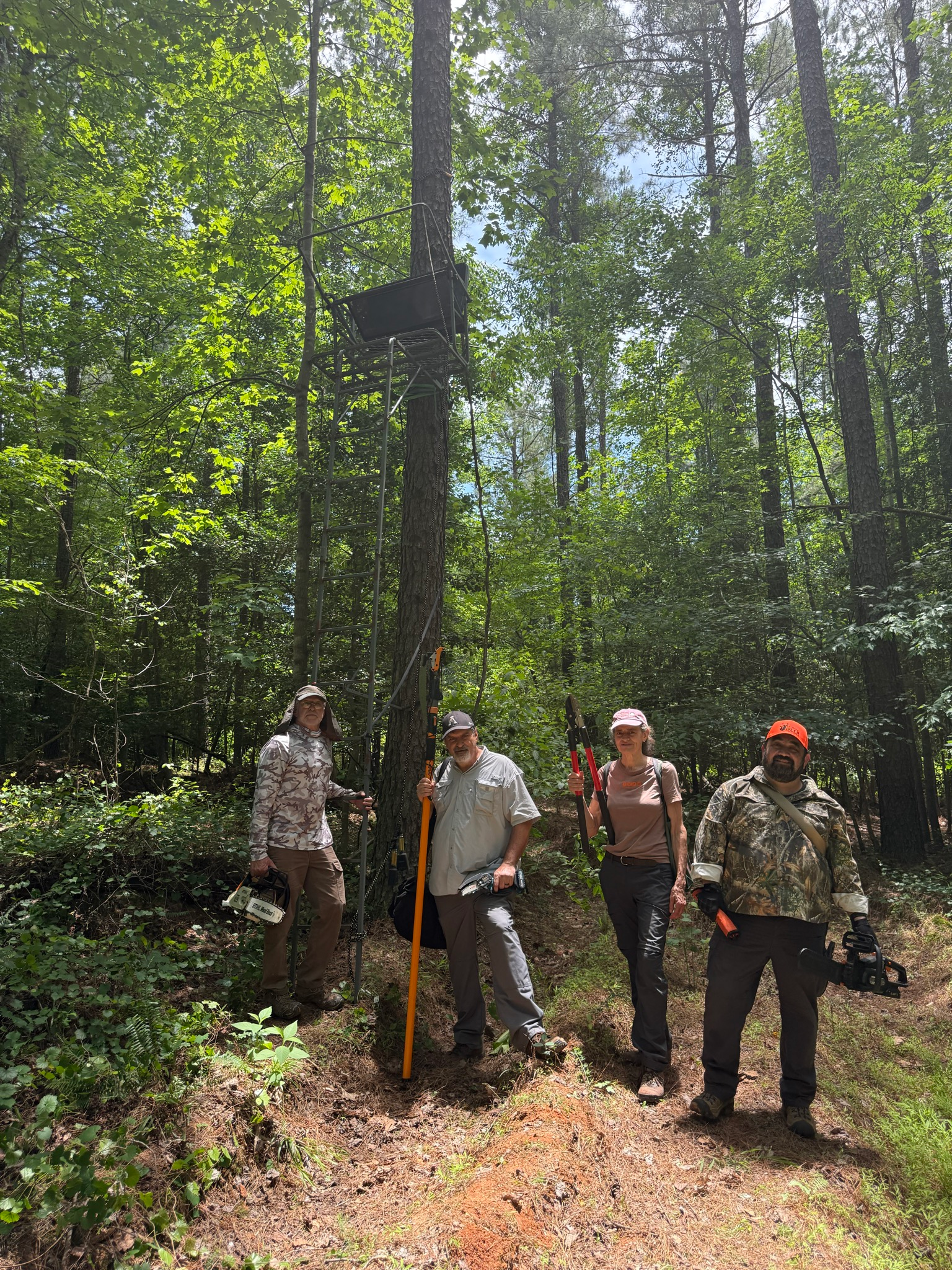
- Create travel corridors: Clear overgrown paths and cut clean shooting lanes around your primary tree stand and ground blind sites before early-season patterns shift. Maximize your seasonal strategy by understanding how a deer’s survival instincts shift between their daytime bedding sanctuaries and afternoon travel corridors:
Scout Smart—Not Hard
Right now deer are on predictable summer patterns. Use that to your advantage.
- Glass fields at last light. Soybean, peanut, and fresh cut fields are your best intel sources.
- Find the edges they use every day. In North Carolina, deer hammer field edges with pokeweed, ragweed, greenbrier, and young browse.
- Identify bedding without walking into it. Use terrain, shade, and prevailing winds to map likely bedding, but otherwise stay out.
- Mark every consistent entry/exit trail. These become your early‑season ambush sites.
- If you want meat in the freezer early, pattern doe groups now.
Deer will shift in September, but their travel corridors rarely change. If you know them now, you’ll know them later
Map Your Wind Strategy
Most hunters think about wind in the moment. Successful hunters plan wind months ahead.
- Pick 2–3 stand sites per property that work for different wind directions.
- Note how thermals behave in the morning vs. evening.
- Identify “safe winds” that let you hunt close to bedding without blowing it up.
North Carolina humidity and terrain make wind swirl. Planning now prevents blown hunts later.
Early fall in NC is all about transition food:
- White oak acorns (start dropping early in many counties)
- Persimmons (if you have them, pattern deer around them now)
- Soybeans turning yellow (deer shift to browse and acorns)
- Cutover browse (goldmine in early season)
Walk your properties now and mark key food sources on your hunting app: Mast trees and cutover edge with evidence of fresh regrowth
When acorns drop, deer disappear from summer patterns. Knowing where these mast trees are ahead of time helps keep you on them
Dial In Your Bow and Rifle Form
Muscle memory fades during the off-season, and a clean, ethical harvest demands absolute consistency.
- Archery tuning: Inspect bowstrings for fraying, check arrow straightness, and practice shooting from elevated platforms to replicate tree stand angles.
- Range practice: Visit a local range to sight in firearms using the exact hunting ammunition you plan to shoot in the field.
- Elevate your pulse: Incorporate physical cardio into your shooting routines to effectively simulate the high-adrenaline rush of a buck stepping into your lane.
- Practice real hunting shots: from elevated stands, with your hunting clothes on, when you’re slightly winded, using the weapon, ammunition/broadheads you plan to hunt with. Use 3D targets to take shots quartering away and slightly quartering to. Deer rarely stand broadside like the target on your range.
Modernize and Safety-Check Your Hardware
Equipment failure can ruin a highly anticipated hunt or, worse, lead to severe physical injury.
- Tree stand integrity: Carefully inspect all tree stand straps, cables, and structural ladders for rust or sun rot. Replace as needed. New rachet straps can save your life. Hang new stands now when the woods are calm. Cut shooting lanes now so deer get used to the changes
- Fall protection: Throw out old, expired safety harnesses and ensure your current lines are fully rated and functional.
- Electronics refresh: Swap fresh batteries into all trail cameras, rangefinders, optics, flashlights and headlamps.
Study the New State Regulations
The North Carolina Wildlife Resources Commission (NCWRC) has introduced a few major rule updates for the 2026–2027 season that every deer hunter must know.
- New early season: A special early firearm season will open for antlered deer between August 22–23, 2026, across specific Chronic Wasting Disease (CWD) Management Areas using any lawful weapon. These areas include Cumberland, Forsyth, Sampson, Stokes, Surry, Wilkes and Yadkin counties.
- Black powder and gun season will open one week earlier this year in the Northwestern CWD Management Area (Forsyth, Stokes, Surry, Wilkes and Yadkin counties: black powder (Oct. 31) and gun season (Nov. 14)
- Strict disposal rules: New statewide carcass disposal regulations mandate that non-edible deer parts must be taken to a lined landfill, buried 3 feet below the ground and 300 feet from a body of water; or left on the ground within the county of origin.
- Hunter orange requirements: Ensure you have compliant hunter orange apparel ready, which is strictly mandatory during any open firearm seasons—even if you are hunting with a bow.
- Licensing updates: Log into Go Outdoors North Carolina to update your comprehensive or lifetime hunting license and both download an offline copy to your phone and print your license and big game harvest report cards.
Start early, stay consistent, and build the habits that make a successful season. Whether you’re scouting, tuning gear, or refreshing your skills, every step you take now pays off in the field. Get ready—deer season is almost here!